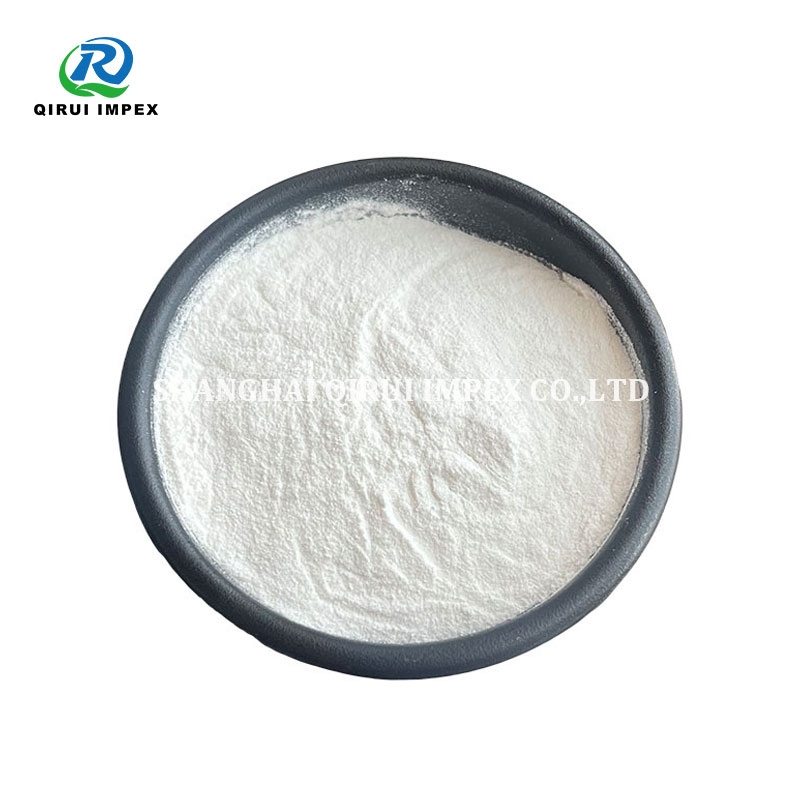
Fumaric Acid
Fumaric acid (trans-butenedioic acid) is an organic acid that has significance as a feed additive. It is widely recognized for its preservative and acidifying properties, playing a crucial role in improving feed hygiene, enhancing nutrient digestibility, and supporting gut health in livestock and poultry.
Volume: 0
+86 152 5026 3248Fumaric Acid Feed Grade
Fumaric acid (trans-butenedioic acid) is an organic acid that has significance as a feed additive. It is widely recognized for its preservative and acidifying properties, playing a crucial role in improving feed hygiene, enhancing nutrient digestibility, and supporting gut health in livestock and poultry.
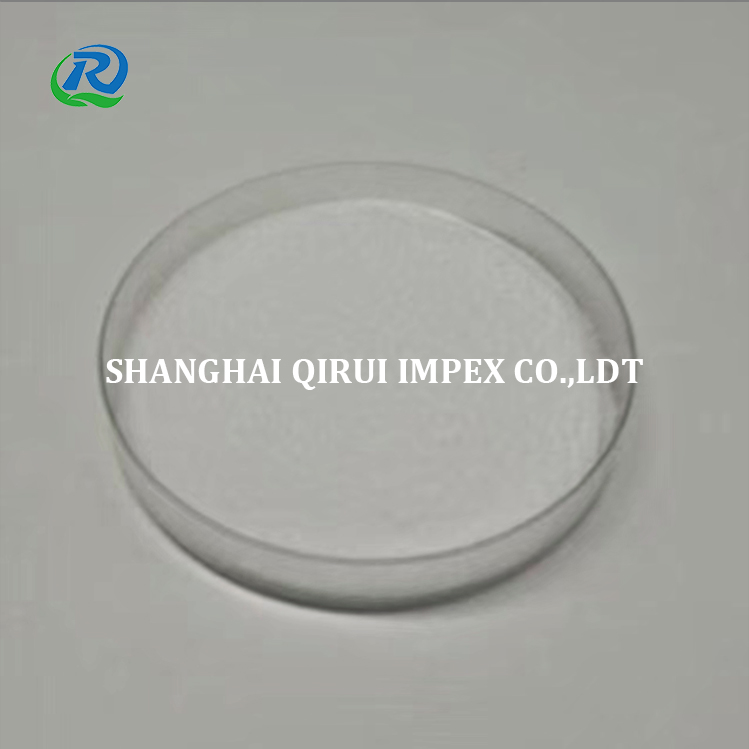
Specifically, fumaric acid appears as a white crystalline powder with a purity of ≥99.5% (CAS No. 110-17-8, molecular formula C₄H₄O₄, molecular weight 116.07 g/mol). It functions as an acidity regulator and preservative by lowering the pH of feed and the gastrointestinal tract, thereby inhibiting the growth of pathogenic bacteria such as E. coli and Salmonella, while promoting a favorable environment for beneficial microorganisms. In dairy cows, studies have shown that fumaric acid supplementation (at 40-120 g/day) can increase dry matter intake and milk yield, and improve the apparent digestibility of crude fat and neutral detergent fiber. As a feed additive, it can also improve feed palatability and utilization.
The European Food Safety Authority (EFSA) has concluded that fumaric acid is safe for pigs and poultry at a maximum content of 20,000 mg/kg complete feed, and 10,000 mg/kg for young animals fed with milk replacers. It is authorized as both a preservative (1a297) and a flavouring compound (2b08025) for all animal species under EU regulations. Fumaric acid is irritant to skin, eyes and respiratory tract, and should be considered a skin and respiratory sensitiser due to the presence of nickel; therefore, appropriate protective measures should be taken during handling.
Fumaric Acid Feed Grade is carefully manufactured under strict quality control, with typical impurity limits: moisture ≤0.5%, residue on ignition ≤0.1%, arsenic ≤2 mg/kg, and lead ≤10 mg/kg. It is widely used in poultry, swine, ruminant, and aquaculture operations to improve feed hygiene, support gut health, and enhance overall animal performance.
Related Products
Get in Touch
Our team of experts is ready to assist you with product information, technical support, and business inquiries.
-
WhatsApp +86 152 5026 3248
-
Email tina.wang@qiruiimpex.com
-
Phone +86 152 5026 3248
-
Address Room 815, No. 218, Sijing Road, Huaqiao Town, Kunshan City, Suzhou City, Jiangsu Province,China